Insights & Strategies for Independent Hoteliers.
Today’s Revenue Management Thought - ran for 4 years
Now I publish Monday Revenue Rethink each Monday
5 Revenue Management Mistakes
Costing You Money
Dynamic Pricing Myths
Holding Your Hotel Back
How to Compete with OTAs
Without Losing Margin
The Power of a
Balanced Channel Mix
Today's Revenue Management thought:-
In hospitality, Key Performance Indicator (KPI) data is highly valuable for evaluating hotel performance. Through meticulous monitoring of KPI data, hotel owners can glean insights from past performance, facilitating informed decision-making and a thorough comprehension of the hotel's trajectory.
Among the prevalent KPIs in the hotel industry are: occupancy rate, average room rate, RevPAR (revenue per available room), food and beverage revenue, payroll costs as a percentage of revenue, and ADR (average daily rate).
However, there are also other critical and nuanced KPIs, including those pertaining to the Housekeeping Department, Maintenance Department, Sales and Marketing, and Human Resources.
As individuals responsible for revenue, it is imperative that we possess comprehensive insight into all property KPIs to make informed pricing decisions effectively.
Have a profitable week !
✌🏼
Today's Revenue Management thought:-
It’s Friday - time to contemplate.
RM’s often have minds that work in a slightly different manner than most. This also entails that our communication can become elaborate, whilst we get that polite nod from the recipient.
Should be keep it simpler… ?

Have a profitable week !
✌🏼
Today's Revenue Management thought:-
Utilising dynamic pricing and demand forecasting represents a pivotal pathway to triumph within the hospitality sector. These strategies offer a promising route to success due to their ability to adapt to market fluctuations and customer preferences effectively. This week we’l look at 4 aspects of this, in an attempt to stimulate thought.
Operational Efficiency: Dynamic pricing and demand forecasting also contribute to improved overall operational efficiency in the hospitality industry. By accurately predicting demand and optimising pricing, hotels can better manage inventory, staffing levels, and other resources. This leads to reduced waste, lower operating costs, and increased profitability. Additionally, by automating pricing decisions and streamlining processes, you can free up time and resources to focus on delivering exceptional guest experiences, further enhancing their competitive position and overall success in the industry.
In essence, incorporating dynamic pricing and demand forecasting is fundamental to achieving sustained growth and prosperity in the dynamic realm of hospitality.
Have a profitable week !
✌🏼
Today's Revenue Management thought:-
Utilising dynamic pricing and demand forecasting represents a pivotal pathway to triumph within the hospitality sector. These strategies offer a promising route to success due to their ability to adapt to market fluctuations and customer preferences effectively. This week we’l look at 4 aspects of this, in an attempt to stimulate thought.
Competitive Advantage: In today's highly competitive hospitality industry, entities that embrace dynamic pricing and demand forecasting gain a significant competitive advantage. By staying ahead of market trends, adapting quickly to changing conditions, and optimising pricing strategies, businesses can outperform competitors and attract more customers. This proactive approach enables businesses to differentiate themselves in the market, strengthen their brand reputation, and establish themselves as industry leaders.
In essence, incorporating dynamic pricing and demand forecasting is fundamental to achieving sustained growth and prosperity in the dynamic realm of hospitality.
Have a profitable week !
✌🏼
Today's Revenue Management thought:-
Utilising dynamic pricing and demand forecasting represents a pivotal pathway to triumph within the hospitality sector. These strategies offer a promising route to success due to their ability to adapt to market fluctuations and customer preferences effectively. This week we’l look at 4 aspects of this, in an attempt to stimulate thought.
Improved Customer Satisfaction: Embracing dynamic pricing and demand forecasting allows hospitality businesses to offer personalised pricing and tailored services to meet the varying needs and preferences of customers. By understanding demand patterns and customer behavior, hotels can optimise inventory levels, allocate resources efficiently, and provide better service quality. This leads to enhanced customer satisfaction, loyalty, and positive word-of-mouth referrals, ultimately driving repeat business and long-term success.
In essence, incorporating dynamic pricing and demand forecasting is fundamental to achieving sustained growth and prosperity in the dynamic realm of hospitality.
Have a profitable week !
✌🏼
Today's Revenue Management thought:-
Utilising dynamic pricing and demand forecasting represents a pivotal pathway to triumph within the hospitality sector. These strategies offer a promising route to success due to their ability to adapt to market fluctuations and customer preferences effectively. This week we’l look at 4 aspects of this, in an attempt to stimulate thought.
Enhanced Revenue Optimisation: Dynamic pricing and demand forecasting enable hospitality businesses to maximise revenue by adjusting prices in real-time according to fluctuations in demand. By accurately predicting demand and adjusting prices accordingly, your property can capture the maximum value from each customer transaction. This strategy ensures that pricing remains competitive yet profitable, leading to increased revenue and improved financial performance.
In essence, incorporating dynamic pricing and demand forecasting is fundamental to achieving sustained growth and prosperity in the dynamic realm of hospitality.
Have a profitable week !
✌🏼
Today's Revenue Management thought:-
It’s Friday - time to contemplate.
Implementing price variation is easier said than done, as numerous factors affect buyers' perceptions of fairness.
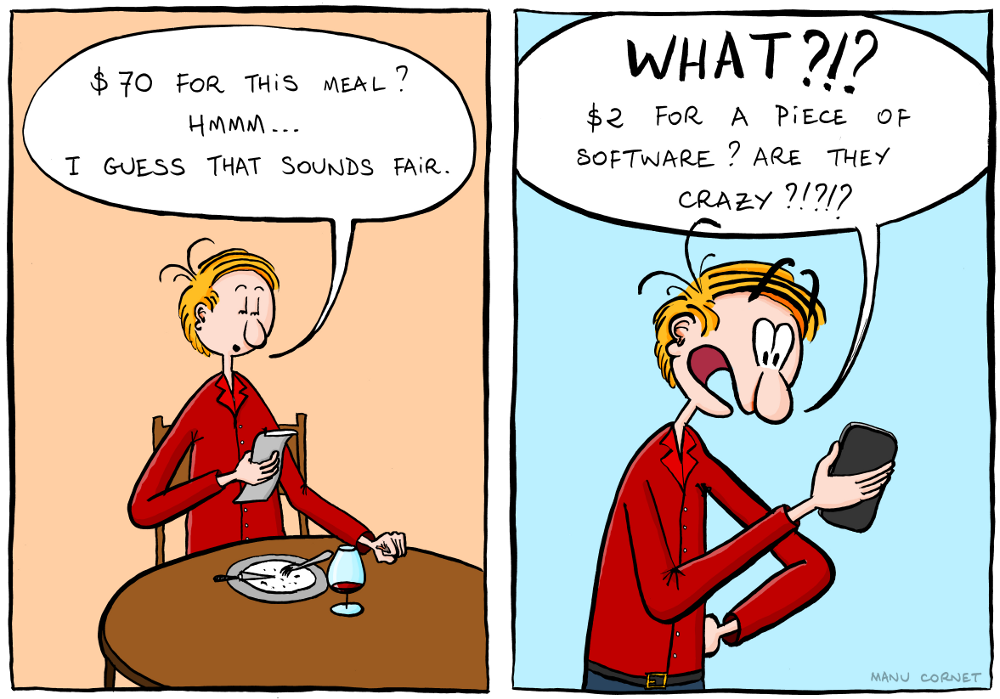
Have a profitable week !
✌🏼
Today's Revenue Management thought:-
Classical economic theory says that customers decide if a price is fair by evaluating based on their own interests. This week I’ll discuss why charging fair prices, not maximum prices, optimises profits over time.
Ethical Considerations: Operating with integrity by charging fair prices aligns with ethical standards and societal expectations, reducing the risk of backlash or regulatory intervention that could harm profitability in the long term.
Have a profitable week !
✌🏼
Today's Revenue Management thought:-
Classical economic theory says that customers decide if a price is fair by evaluating based on their own interests. This week I’ll discuss why charging fair prices, not maximum prices, optimises profits over time.
Customer Retention: Fair pricing strategies prioritise customer satisfaction, leading to higher retention rates and reducing the need for costly acquisition efforts. Satisfied customers are more likely to remain loyal and continue to generate revenue over time.
Have a profitable week !
✌🏼
Today's Revenue Management thought:-
Classical economic theory says that customers decide if a price is fair by evaluating based on their own interests. This week I’ll discuss why charging fair prices, not maximum prices, optimises profits over time.
Market Reputation: Charging fair prices enhances brand reputation, attracting more customers and fostering a positive perception within the market. This reputation can lead to increased market share and higher profitability in the long run.
Have a profitable week !
✌🏼